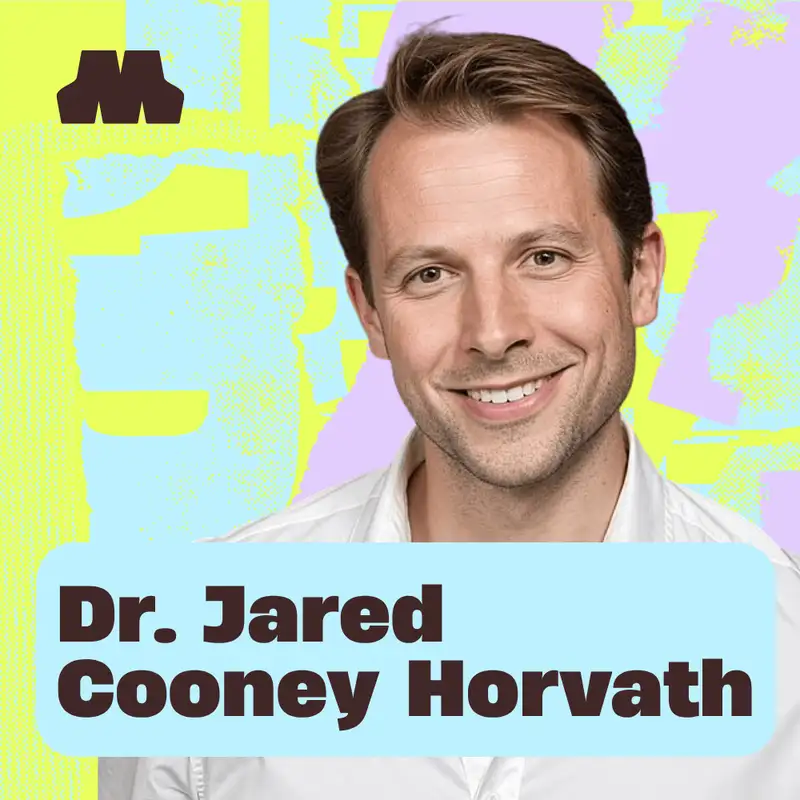
The Digital Delusion w/ Dr. Jared Cooney Horvath
A screen is built to do one thing well: split your attention across as many things as possible, as fast as possible. A developing brain needs the opposite— sustained, undivided focus— to learn anything at all. Cognitive neuroscientist Dr. Jared Cooney Horvath doesn't think ed-tech is failing kids by accident. He thinks it's failing them because the two things it's built to do are the same two things guaranteed to keep them from learning.
In this episode, Dr. Jared Cooney Horvath, a former classroom teacher turned cognitive neuroscientist and author of the new book The Digital Delusion, walks Alix through why so much of what makes a screen effective is exactly what makes it useless for learning: it invites multitasking when the brain needs focus, it rewards speed when comprehension requires slowing down, and it replaces face-to-face attention with something that looks like connection but doesn't function like it. Dr. Horvath takes us back over a deacde ago to trace how we got here, where a tool to fail students by design continues to become more embedded into the classroom.
Further reading & resources:
Further reading & resources:
- Technopoly: The Surrender of Culture to Technology — Neil Postman
- The Pen Is Mightier Than the Keyboard — Mueller & Oppenheimer, Psychological Science, April 2014
- This laptop had to fail so Chromebooks could become back-to-school essentials — Tech Radar, August 2022
- Chromebook Remorse: Tech Backlash at Schools Extends Beyond Phones — The New York Times, May 2026
Buy The Digital Delusion: How Classroom Technology Harms Our Kids' Learning by Dr. Jared Cooney Horvath through The Maybe on Bookshop.org! Every purchases supports the author and independent bookstores across the country.
Want to join the authors we interview for exclusive Q&As? Join The Maybe Collective to explore the politics of technology through fresh ideas that you won't hear anywhere else. Sign up for monthly insights, access to exclusive digital events, and real ways to get more involved on issues you care about.
Computer Says Maybe is produced by Kushal Dev, Marion Wellington, Sarah Myles, Van Newman, and Zoe Trout